An indoor garden system is a smart, soil-free unit designed to grow plants inside your home using full-spectrum LED lights and hydroponic technology. These systems allow you to cultivate fresh herbs and vegetables 365 days a year, regardless of the weather or your gardening experience.
By harvesting pesticide-free produce right on your countertop, you drastically reduce “food miles” and plastic packaging waste.
Whether you are looking to reduce your carbon footprint, secure a reliable source of organic ingredients, or simply enjoy the mental health benefits of gardening in a small apartment, this guide covers everything you need to know.
We will explore the environmental impact, the different types of technologies available, and how to choose the right system for your sustainable home.
Key Takeaways
- Year-Round Harvest: An indoor garden system uses smart LEDs and hydroponics to grow fresh food 365 days a year, no soil required.
- Eco-Friendly Impact: Growing at home drastically reduces your carbon footprint by eliminating “food miles” and single-use plastic packaging.
- Fits Any Space: Whether using soil-based pots or advanced aeroponics, there are systems designed to fit everything from small apartments to large family kitchens.
5 Top Indoor Garden System Brands to Start Smart Gardening
1. AeroGarden

What Makes AeroGarden Stand Out?
AeroGarden has built a name around soil-free gardening that fits right on your kitchen counter. Their mission? Make growing food indoors as easy as brewing coffee. Backed by the idea that anyone can grow herbs, greens, or even tomatoes without dirt, AeroGarden’s hydroponic systems are a go-to for beginner gardeners and urban dwellers.
Sustainable Practices and Manufacturing
AeroGarden’s sustainability journey isn’t perfect—but it’s growing. Their hydroponic systems drastically reduce water usage (up to 90% less than traditional gardening) and eliminate the need for pesticides. Their seed pods are non-GMO, and many of their packaging materials are recyclable. While they’re not currently a B Corp or USDA Organic certified brand, they’ve taken major steps toward circular design. Their LED grow lights are energy-efficient, and their refillable pod systems encourage users to replant instead of toss.
AeroGarden is now part of Scotts Miracle-Gro, which has its own corporate sustainability goals—including reducing greenhouse gas emissions and improving product stewardship across the supply chain. However, shoppers who prioritize plastic-free, fully organic systems may still find room for improvement in their packaging and proprietary pod materials.
How AeroGarden Reflects Their Sustainability Ethos
Every AeroGarden is a mini food ecosystem. By helping users grow fresh produce at home, they reduce the need for long supply chains, pesticide-laden crops, and single-use plastics. Their refill pod kits make it easy to reuse the system and grow again, lowering long-term waste.
Should You Trust AeroGarden?
For those seeking a beginner-friendly way to eat sustainably, AeroGarden is a great choice. It’s not fully zero-waste, but it’s a huge step toward food independence and greener living.
2. Click and Grow
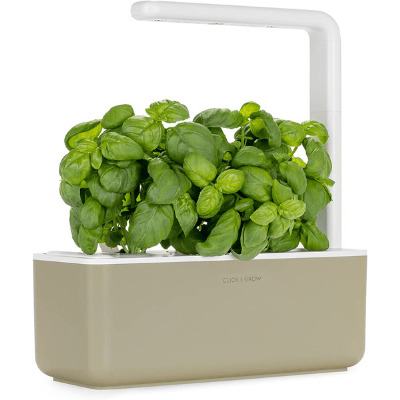
What Makes Click and Grow Stand Out?
Click and Grow was born from a mission to make fresh, chemical-free food available to everyone, no matter where they live. Their smart gardens use soil-free growing tech paired with pre-seeded biodegradable pods—offering a sleek, zero-hassle solution for home gardening. At the core of their brand is a deep belief in self-sufficiency and sustainability through innovation.
Sustainable Practices and Manufacturing
Click and Grow’s biggest win? Their Smart Soil—a NASA-inspired medium made from natural, renewable materials that optimizes plant growth without added chemicals. Their seed pods are biodegradable and free from pesticides, and the gardens themselves are energy-efficient, using LED lights designed for low power consumption.
They also emphasize eco-conscious packaging and actively reduce plastic use in both product design and delivery. Though not B Corp certified, they operate with a strong environmental mission and publicly share their goals to minimize waste and support healthier food systems.
How Click and Grow Reflects Their Sustainability Ethos
Click and Grow systems cut out food miles entirely. You grow your greens right where you eat them—no plastic clamshells, no delivery trucks, no pesticides. Their pods are compostable, and the refillable system encourages continued use rather than replacement. Even better, the gardens help reduce food waste by letting users harvest only what they need.
Should You Trust Click and Grow?
Absolutely. Their commitment to non-toxic growing, low energy use, and waste reduction makes them a top pick for sustainable indoor gardening.
3. IDOO

What Makes IDOO Stand Out?
IDOO is all about making smart hydroponics affordable and accessible. Unlike some pricier brands, IDOO caters to budget-conscious gardeners without compromising on tech. Their mission focuses on helping people grow fresh food indoors with ease—especially in small spaces. IDOO’s systems are app-free and intuitive, making them a popular entry point for eco-curious beginners.
Sustainable Practices and Manufacturing
While IDOO isn’t as vocal about sustainability as some competitors, their products inherently support greener living. Their hydroponic systems use up to 90% less water than soil gardening and completely avoid pesticides. LED grow lights are energy-efficient and come with smart timers to minimize power waste.
IDOO doesn’t advertise certifications like USDA Organic or B Corp, and their seed pods are primarily plastic-based. However, many users DIY their own pods or reuse components, giving the products a longer life cycle than disposable alternatives.
How IDOO Reflects Their Sustainability Ethos
IDOO’s true sustainability impact lies in empowering people to grow food locally. Their systems reduce food transportation, plastic packaging, and chemical exposure. While not zero-waste, their refill options and low-water usage support a greener food footprint. And by making indoor gardening more affordable, IDOO broadens access to sustainable habits.
Should You Trust IDOO?
If you’re on a budget but still want to reduce your environmental impact, IDOO is a solid choice. It’s not perfect, but it’s a meaningful step toward homegrown sustainability.
4. Rise Gardens
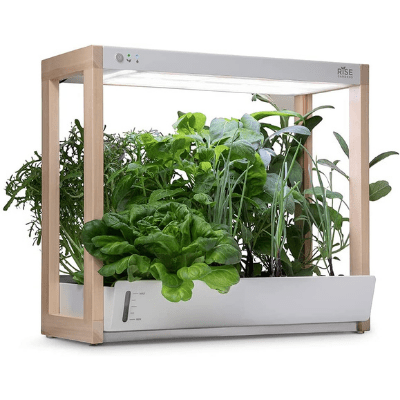
What Makes Rise Gardens Stand Out?
Rise Gardens is on a mission to reinvent how we grow food at home. Their sleek, modular hydroponic systems are designed for families, foodies, and sustainability lovers who want more than just herbs—they want full-on indoor farms. From leafy greens to strawberries, Rise Gardens empowers people to take control of their food supply and reduce their environmental impact in the process.
Sustainable Practices and Manufacturing
Sustainability is baked into Rise Gardens’ design. Their systems use 90% less water than traditional gardening and require no pesticides or herbicides. Their app-controlled LED lights are energy-efficient, helping users reduce electricity use while growing indoors year-round.
The company also emphasizes reusability—offering washable, refillable grow pods and nutrient packs that cut down on plastic waste. While Rise Gardens isn’t B Corp certified, their transparency and education efforts around food systems, food security, and responsible consumption speak volumes about their eco-conscious mindset.
How Rise Gardens Reflects Their Sustainability Ethos
Unlike most indoor gardens focused on herbs, Rise Gardens encourages growing full meals—think kale, radishes, beans, and more. This reduces dependence on store-bought produce wrapped in plastic or flown in from across the globe. Their systems promote local growing, right in your kitchen, and minimize food waste by letting you harvest only what you need.
Should You Trust Rise Gardens?
For eco-conscious families or serious home gardeners, Rise Gardens delivers. It’s a long-term investment in sustainability, self-reliance, and food freedom.
5. Back to the Roots (Mushroom Growing Kit)

What Makes Back to the Roots Stand Out?
Back to the Roots isn’t just a brand—it’s a movement. Founded by two college friends who left Wall Street to grow mushrooms, their mission is to reconnect people with food and where it comes from. Their ready-to-grow kits make indoor gardening simple, fun, and educational—perfect for families, classrooms, and eco-curious urbanites.
Sustainable Practices and Manufacturing
Sustainability is at the root of everything they do. Their mushroom kits grow from recycled coffee grounds, turning food waste into fresh food. Packaging is 100% recyclable and their grow kits are certified USDA Organic and Non-GMO Project Verified. Even their shipping boxes double as growing containers.
They’re also a Certified B Corporation, which means they meet high standards for social and environmental performance, transparency, and accountability. Their commitment extends beyond product—Back to the Roots supports classroom gardening programs and sustainability education across the U.S.
How Back to the Roots Reflects Their Sustainability Ethos
Their Mushroom Growing Kits are the definition of circular thinking—recycling waste, growing food, and avoiding pesticides, all in one tidy box. They make growing food feel achievable for anyone, anywhere, without soil, plastic waste, or complex tools. Even better? Kids love it—so they’re helping raise a new generation of conscious consumers.
Should You Trust Back to the Roots?
No question. With deep roots in sustainability, zero-waste thinking, and social good, this brand is a top-tier pick for eco-friendly indoor gardening.
Why Should You Invest in an Indoor Garden System?
Quick Answer: Investing in an indoor garden system offers three primary benefits: access to fresh, nutrient-dense produce year-round, complete control over the use of pesticides and herbicides, and a significant reduction in grocery costs over time. It serves as a sustainable solution for those without outdoor space or those living in climates with harsh winters.
If you love spending as much time as you can in an outdoor space like your garden or patio, then the winter months can be quite challenging. And if you’re also into traditional gardening where you get your hand dirty, then there’s often not that much you can do.
For me, the most frustrating thing was that one of the great family activities of growing our own food was gone.
And we certainly noticed that we were spending a lot more at the grocery store, even with preserving a lot of our fall harvest.
If that all sounds familiar, then you have a couple of really good reasons to invest in our best indoor garden system recommendations.
It’s a great way to keep your gardening skills active in winter, and you can even learn a lot of new tricks.
More importantly, though, you’ll be growing your own food where you know exactly how organic it is. And you can always harvest it straight to your plate for the most delicious food possible.
Are Smart Garden Systems Eco-Friendly?
Quick Answer: Yes, a smart garden system is generally eco-friendly. While they consume electricity, the environmental cost is often offset by eliminating the carbon emissions associated with commercial farming, including transport logistics, plastic packaging, and food waste. To maximize sustainability, pair your system with renewable energy sources and choose brands that use recycled materials.
The answer to this depends on a few specifications of your smart garden system. As you can see above, the ones I’ve had the best results with have grow light systems.
You can get them without such lights, but then you’ll be limiting your results for pretty much every type of plant.
But these don’t have to be a problem.
Energy-Efficient LED Grow Lights
All the above systems come with extremely energy-efficient LED bulbs. And because they emit just the right type of light waves, you can get the maximum effect that mimics sunlight.
And because they have timers, you won’t end up wasting tons of electricity. You could even take it one step further and invest in a small solar panel and rechargeable battery system to lower the electricity usage even more.
Ensure your system uses full-spectrum LED lights, which provide the specific wavelengths plants need for photosynthesis while using a fraction of the power of traditional bulbs.
Compare Carbon Footprints
Consider the ‘food miles.’ An indoor garden system creates a zero-mile diet for those specific ingredients.
What you can do with these smart garden systems then is calculate how much electricity they will use on a typical day. You then multiply that by the number of days from seed to harvest, and you have calculated a rough carbon footprint.
Of course, each plant will also absorb CO2, but let’s not complicate it too much.
What you should do, though, is compare that carbon footprint to the environmental impact of driving to a store and factoring in the supply chain of the food industry. I’m 100% certain that even with the LEDs, it will be a more efficient way to grow indoors.
The 4 Main Types of Indoor Garden Systems
Quick Answer: There are four main categories of indoor growing technology:
- Soil-Based Systems: Traditional potting mix with automated wicking or watering.
- Hydroponic Systems: Plants grow in water mixed with a nutrient solution (most common for home kits).
- Aquaponic Systems: A symbiotic environment where fish waste fertilizes the plants.
- Aeroponic Systems: Plant roots are suspended in air and misted with nutrients for rapid growth.
When it comes to setting up an indoor garden, you have four systems to choose from.
Soil-Based Systems
These are small containers like garden pots that you can stand in a larger container or tray. Water and fertilizer are pumped around the system, or they can be even more basic where you need to manually water the soil.
Hydroponic Systems
This is the standard for most modern indoor garden systems because it is soil-free and mess-free.
These are based on a carefully formulated nutrient-rich solution that circulates through the system. The water is constantly pumped through and replenished with fertilizer for the roots to absorb directly.
Aquaponic Systems
These are very innovative solutions where you have a separate fish tank. They provide the waste that serves as a fertilizer full of nutrients. The rest of the system works the same as the hydroponic one.
Aeroponic Systems
These are one step up and highly advanced systems that use moisture and water vapor to spray onto the roots of plants. Essentially, the roots are exposed and take on the fertilizer directly from the vapor.
The easiest ones to get started with and requiring the least amount of effort are the soil-based and hydroponic systems. The rest all require advanced skills, and I haven’t included them in my list of best indoor kits above.
What Is The Ideal Size For An Indoor Garden System?
Quick Answer: The ideal size for an indoor garden system depends on your harvest goals. For casual use (fresh herbs and garnishes), a 3 to 9-pod system is sufficient and fits on a standard kitchen counter. For families looking to replace grocery store lettuce and vegetables, a larger 24-pod vertical farm unit is recommended to ensure a continuous rotation of crops.
The first thing I would say is that you shouldn’t try to plan and get everything you need to survive from indoor gardening. Even if you have a large home, you’ll end up spending a lot of money on these systems.
There are probably better ways to do that level of growth with a winter garden or greenhouse.
But for growing herbs, a few leafy vegetables, and even some flowers, I would say that starting with a system that can accommodate nine plants is ideal.
They won’t take up much space at all, and there will be enough room for each plant to flourish.
With a bigger budget, you could get a 24-plant system that really would be a small garden patch in your home.
Another option is to buy one or more of the end table designs. You can place these around your home, and they can serve as plant decorations as well.
Ultimately, start with something that you can manage, and then expand as you understand the different growing techniques and timing better.
Automated Features: Watering and Lighting
The efficiency of an indoor garden system relies on automation. Smart lighting timers ensure plants receive 14-16 hours of simulated sunlight without user intervention. Similarly, automated watering pumps circulate oxygen and nutrients to the roots, preventing root rot and dehydration, which are common issues in manual indoor gardening.
If you want to avoid messing up the watering and lighting for your crops, then I would suggest investing in one of the best indoor gardens that include automated systems.
Here’s why they are important.
Automated Watering
In hydroponic systems, the roots are constantly exposed to a water and fertilizer solution that circulates. But in soil-based systems, it’s even more important to have some sort of a pump feature.
Using the pump will ensure that the soil stays moist so that the plants will thrive. This is especially important in these smaller pots as the soil will dry out a lot faster than what you might be used to for outdoor gardening.
With the hydroponic systems, it’s important to look for some sort of a water level indicator as well. Those with smart features will even send you a reminder to keep them topped up with water and fertilizer.
Smart Garden Lighting
If you’re lucky enough to get bright and sunny days in winter, then automated LEDs won’t be essential. But you’re still limited to the number of daylight hours.
That’s why an energy-efficient LED system is an ideal solution. These emit the same color spectrum as the sun to encourage more plant growth even if you’re hedging into dull days where plants will almost go dormant.
The Pros and Cons of an Indoor Garden System
The primary advantage of an indoor garden system is the ability to grow pesticide-free food effortlessly in small spaces. The main disadvantages are the initial upfront cost of the unit and the ongoing requirement for electricity and consumable seed pods.
The main reason I invested in a smart garden is to keep a small supply of vegetables going in winter. And I could enjoy a hobby with my kids even when our outdoor space no longer supported growing vegetables.
It’s also great that you really don’t need any skills, as the automated features will create the optimum growing environment. I’ve managed to grow herbs and lettuce within a few weeks, and you can keep that supply going all winter.
The main downside is that if you want to grow larger volumes to feed your family, then it will become quite expensive.
Pros
Cons
- User-friendly smart garden technology that require no gardening skills
- Keep feeding your family homegrown products all-year-round
- Ideal for herbs, leafy greens, and microgreens
- Fully automated systems
- ensure that your crops never run dry or out of fertilizer
- Takes less space and ideal for apartment homes
- Great way to beautify your home
- Some of the advanced smart systems can be quite expensive
- Even the larger systems will give you a limited harvest
Frequently Asked Questions (FAQs)
Most modern systems are highly energy-efficient because they use LED technology. On average, a standard countertop indoor garden system consumes about 30 to 60 watts when the lights are on. This typically translates to less than $2 to $3 per month on your electricity bill, depending on your local energy rates.
Leafy greens and herbs thrive best in these setups. Plants like basil, lettuce, mint, cilantro, and kale grow rapidly in the controlled hydroponic environment. While you can grow fruiting plants like cherry tomatoes or peppers, they generally require larger systems with stronger grow lights and more vertical space.
An indoor garden system is generally cleaner than traditional potted plants because most use soil-free pods, which significantly reduces the risk of soil-borne pests like fungus gnats. However, algae or mold can develop if the water tank isn't cleaned regularly. We recommend a quick cleaning between planting cycles to keep the system sterile.
Yes, if you value fresh, organic produce and sustainability. While the upfront cost can be higher than buying a few packets of herbs, an indoor garden system eliminates food waste (you only harvest what you need) and provides pesticide-free greens year-round, which saves money and reduces plastic packaging waste over time.
Ready to Grow Green?
Choosing the right indoor garden system isn’t just about having fresh basil on your windowsill—it’s about voting for a different kind of food system. It’s about choosing brands that align with your values, reducing your reliance on industrial agriculture, and taking ownership of what you put in your body.
Whether you choose a simple soil-based setup or a high-tech aeroponic tower, every harvest you make at home is a step toward a more sustainable, self-sufficient lifestyle.